Substance Use Treatment

Tell us what’s happening, in your own words, before anything else happens. Call 707.360.1252.
You can keep everything moving and still need support.
Substance use treatment is medical and clinical care for alcohol, opioid, and other drug use disorders, delivered across a continuum from withdrawal management through residential and outpatient levels of care. The Turn provides private residential substance use treatment in Healdsburg, California, in Sonoma County wine country, for people whose use has outpaced what a career or a family can absorb quietly.
What substance use treatment addresses
A substance use disorder is a medical condition marked by an impaired ability to stop or reduce use despite the consequences it creates (NIAAA). It is not a moral failing, and it does not describe a person’s character. It describes a pattern that has become difficult to interrupt without structured support.
Substance use treatment is the clinical response to that pattern. It includes assessment, medically supervised withdrawal management where needed, structured therapy, medication where appropriate, and a plan for the months after formal care ends. The goal is not a single event. It is a change in trajectory that can be sustained once someone returns to work, family, and daily pressure.
The Turn Approach treats substance use as one part of a fuller picture, not an isolated problem to be solved in a vacuum. Recovery is not about becoming someone else. It’s about becoming who you are, without what’sharming you.
Why high performers delay substance use treatment
Many people who need Substance Use Treatment are still closing deals, making tee times, and showing up for their families. That is precisely what makes the decision to seek care harder, not easier. High performance doesn’t cause this. It hides it.
The visible record; the promotions, the closed rounds of golf, the family photos; can coexist with a private cost that keeps growing. Every strength casts a shadow. A tolerance for pressure that built a career can be the same trait that delays a phone call that should have happened months earlier.
The Turn was built for people who cannot disappear for a month without consequence, and who need continuity with the life they are returning to, not a clean break from it. Built for the life you can’t put down is not a slogan here; it shapes how care is scheduled and structured.
The substances most often involved
Substance use treatment at The Turn addresses the conditions most commonly seen in private residential care, each with its own clinical profile, withdrawal risk, and evidence base.
Alcohol Addiction Treatment addresses alcohol use disorder, a condition the National Institute on Alcohol Abuse and Alcoholism identifies in roughly 1 in 7 men and 1 in 11 women in national survey data (NIAAA). Alcohol withdrawal can be life-threatening, and it is never something to manage alone.
Opioid Addiction Treatment covers prescription opioids and illicit opioids, including the medications for opioid use disorder; buprenorphine, methadone, and naltrexone; that the National Institute on Drug Abuse identifies as standard of care (NIDA). Within that category, Heroin Addiction Treatment and Fentanyl Addiction Treatment address distinct substances with distinct risk profiles, particularly given how much of today’s illicit opioid supply now contains fentanyl.
Benzodiazepine Addiction Treatment addresses prescription sedatives such as diazepam and alprazolam, where abrupt discontinuation can also carry serious withdrawal risk, including seizures (NIDA). Stimulant Addiction Treatment and Cocaine Addiction Treatment address methamphetamine, prescription stimulants, and cocaine, substances without an FDA-approved medication but with well-studied behavioral treatments such as contingency management (NIDA).
Drug Addiction Treatment is the broader category page for anyone whose primary concern does not map neatly onto a single substance, or who is using more than one.


How co-occurring mental health conditions change the picture
Substance use disorders and mental health conditions frequently occur together. In 2023, among the 58.7 million U.S. adults with any mental illness, about one-third also had a substance use disorder in the same year (SAMHSA, 2023 NSDUH).
Treating one condition without the other tends to leave the underlying picture incomplete. Dual Diagnosis Treatment at The Turn addresses substance use and mental health conditions concurrently, guided by clinical assessment rather than a single intake form. Depression, anxiety, trauma, and mood disorders often sit alongside substance use, which is why substance use treatment and Mental Health Treatment Programs are designed to work together rather than in sequence.
The levels of care within substance use treatment
Addiction Treatment Programs are not limited to one setting. The American Society of Addiction Medicine (ASAM) defines a continuum that ranges from ambulatory withdrawal management to medically managed inpatient care, matched to the severity of a person’s clinical needs (ASAM).
Drug & Alcohol Detox; sometimes called withdrawal management; is often the first step when withdrawal risk is present. ASAM is explicit that withdrawal management alone is not adequate treatment for a substance use disorder; it is a component of initiating care, not a substitute for it (ASAM Alcohol Withdrawal Management Guideline).
After withdrawal is managed, many people step into the level of care described on the Residential Rehab Program page, where treatment is structured around daily programming in a supportive setting. From there, some clients step down to Partial Hospitalization Program (PHP) or Intensive Outpatient Program (IOP) levels of care as they reintegrate into work and home responsibilities.
Medication management is frequently part of this continuum. Psychiatry & Medication Management addresses both psychiatric medication and, where clinically indicated, FDA-approved medications for substance use disorders.

What a private residential setting adds
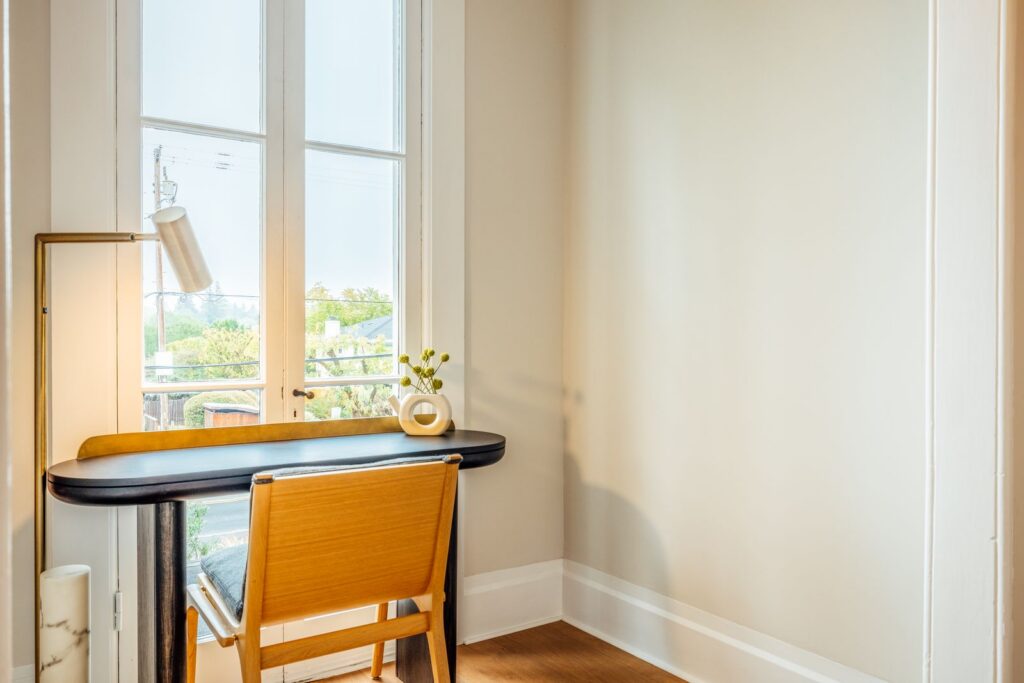
Discretion you can verify, not just trust, is one of the reasons people choose a private residential program over a large facility. That means architecture, not adjectives: a small named clinical team, a single point of entry, and disclosure controls consistent with 42 CFR Part 2, the federal law governing the confidentiality of substance use disorder treatment records.
Golf is not the treatment. It is one experiential setting within the larger plan. Golf Experiential Addiction Treatment describes how unscripted moments on the course can surface patterns around focus, control, and pressure that clients can then explore with the treatment team. It supports the work without replacing it.
How to start substance use treatment at The Turn
The first conversion is not admission. The first conversion is trust. Most people considering substance use treatment have questions before they have decisions: what it will look like, who will know, and whether it fits the life they are not willing to set down.
A confidential conversation is the way to get real answers instead of guesses. It costs nothing to ask, and no assumption is made about what you need until a clinical assessment says otherwise.
Frequently asked questions about Substance Use Treatment
What is the difference between substance use treatment and detox?
Detox, or withdrawal management, addresses the physical process of stopping a substance safely. Substance use treatment is the broader clinical process; assessment, therapy, medication where appropriate, and planning; that ASAM and NIDA both describe as necessary alongside or after withdrawal management, not instead of it.
Is substance use treatment only for severe cases?
No. Substance use disorders are diagnosed on a spectrum from mild to severe based on how many diagnostic criteria are met (NIAAA). Many people who function well outwardly still meet criteria for a mild or moderate disorder.
Can substance use treatment address more than one substance at a time?
Yes. Polysubstance use is common, and a clinical assessment accounts for every substance involved, not just the one that prompted the call.
Does The Turn treat mental health conditions alongside substance use?
The Turn’s model is built around treating substance use and mental health conditions together where clinically indicated, consistent with the concurrent-care approach described above.
How private is substance use treatment at The Turn?
Substance use disorder treatment records are protected under 42 CFR Part 2. The Turn’s model is built around a small clinical team and a single point of entry, described further under discretion-focused pages linked from this site.
Is The Turn covered by insurance?
The Turn is a private-pay program. It does not bill insurance for treatment.
Start substance use treatment in Healdsburg, California
Substance Use Treatment at The Turn happens in Healdsburg, California, in Northern California’s Sonoma County, away from the routines that make change harder to start. The conversation that begins it is confidential and comes with no obligation.
CONFIDENTIAL ADMISSIONS
